
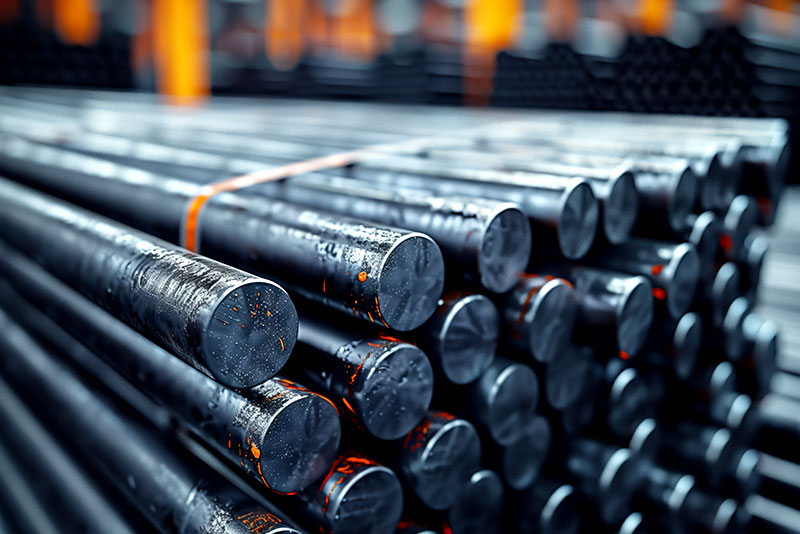
Choosing the right aluminum supplier plays a very important role in the success of any manufacturing or construction project. Aluminum is widely used because it is lightweight, strong, and resistant to corrosion, but the quality of the material depends greatly on the supplier.
A reliable supplier helps ensure consistent quality, fair pricing, and on-time delivery. The wrong choice can cause delays, increased costs, and poor final results. Understanding what to look for in a supplier makes the selection process easier and more effective for long-term business growth.
Check the Quality Standards
A good aluminum supplier always follows clear quality standards and industry certifications. These standards show that the supplier produces aluminum that meets safety, strength, and performance requirements. High-quality aluminum improves durability and reduces the risk of defects during production or installation.
A supplier with strict quality control processes also provides consistent material across every order. This consistency helps businesses avoid rework and wasted resources while maintaining trust with their own customers and partners.
Evaluate Experience and Industry Knowledge
Experience matters greatly when selecting an aluminum supplier. Suppliers with many years in the industry understand different applications, grades, and finishing options. This knowledge helps them recommend the right aluminum for specific needs.
Experienced suppliers also understand common challenges and know how to handle them efficiently. Their familiarity with market trends and technical requirements adds value beyond simple material delivery, making them a reliable partner instead of just a vendor.
Review Product Range and Custom Options
A strong aluminum supplier offers a wide range of products and customization options. Different projects require different aluminum shapes, sizes, and alloys. A supplier with limited options may restrict design flexibility and slow down progress.
A broad product range allows businesses to source all materials from one place. Custom cutting, finishing, and processing services also save time and reduce extra handling. These services help projects move forward smoothly and efficiently.
Assess Delivery Reliability and Supply Capacity
On-time delivery plays a critical role in meeting project deadlines. A dependable aluminum supplier maintains strong logistics systems and sufficient stock levels. Reliable delivery reduces downtime and keeps operations running without interruption.
A supplier with strong supply capacity can also handle large or urgent orders without delays. This reliability becomes especially important during peak demand periods or tight project schedules, where even small delays can lead to significant financial losses.
Compare Pricing and Customer Support
Fair pricing should balance cost and quality rather than focus only on the lowest rate. A trustworthy aluminum supplier offers transparent pricing without hidden fees. Clear communication helps avoid misunderstandings and unexpected expenses.
Strong customer support also makes a big difference. Responsive service helps resolve issues quickly and builds long-term trust. A supplier who values customer relationships often provides better solutions and ongoing support throughout the partnership.
Conclusion
Finding the right aluminum supplier requires careful consideration of quality, experience, product range, reliability, and support. Each factor contributes to smoother operations and better final results. A well-chosen supplier becomes a dependable partner that supports growth and efficiency over time.
By focusing on these key areas, businesses can reduce risks, improve productivity, and ensure consistent aluminum supply. The right decision today creates stronger projects and lasting success in the future.